Monument Signs And Their Role In Property Identification And Brand Visibility
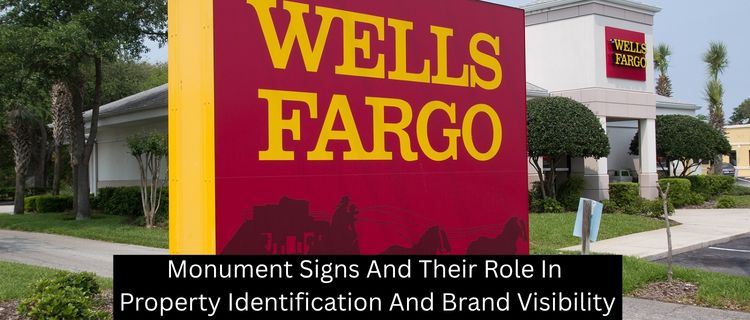
The first impression a property makes often happens at the street, before a visitor reaches the building, the parking lot, or the entrance. Monument signs are the element most responsible for that first impression. Low to the ground, built from substantial materials, and positioned at the property edge or driveway entrance, they serve as the primary identifier for businesses, commercial properties, residential communities, and institutional campuses alike. A well-designed monument sign communicates permanence, quality, and professionalism at a glance — and in a market as visually competitive as Las Vegas, that communication matters enormously.
Why Are Monument Signs Among The Most Impactful Investments In Property Signage?
Monument signs occupy a unique position in the signage landscape. Unlike building-mounted signs that can only be seen from certain approach angles, a monument sign at the property entrance is visible to traffic coming from both directions. It identifies the property before visitors make the turn, reducing confusion and giving motorists the time to safely prepare to enter. For businesses that share a property or are not visible from the main road, a monument sign can be the difference between being found and being missed entirely.
The permanence of a quality monument sign also contributes to brand visibility in a way that lighter structures cannot. A monument sign built from stone, brick, concrete, or high-density foam with stucco finish looks like it has been there for years and plans to stay. That sense of permanence builds familiarity over time as local drivers and residents see the sign repeatedly, associating it with the business or property it identifies.
What Types Of Monument Signs Are Used In Commercial Applications?
Single-Tenant Monument Signs
Single-tenant monument signs identify one business or brand and are typically designed to integrate with the architecture and landscaping of the property. They range from understated, elegantly designed structures that complement a professional office environment to bold, illuminated signs designed for maximum visibility along a commercial corridor. The design brief for a single-tenant monument sign is primarily about brand representation and visibility.
Multi-Tenant Directory Monument Signs
Shopping centers, professional office parks, and medical campuses often use multi-tenant monument signs that identify the property and list the individual tenants within it. These signs need to balance the property identity with clear, legible tenant information. Changeable cabinet inserts allow tenant panels to be updated as occupancy changes, which is a practical consideration for property owners and management companies.
Community And Campus Entrance Signs
Residential communities, corporate campuses, hospital systems, and educational institutions use monument signs as formal entrance markers that establish the identity of the property. These signs are typically larger and more architecturally detailed than commercial monument signs, and they are often designed to work in conjunction with landscape elements, lighting, and hardscape features that create a comprehensive entrance experience.
What Factors Determine Monument Sign Design And Placement?
- Traffic speed and direction — signs must be sized and positioned for visibility at the approach speed of the road
- Setback requirements — local ordinances specify how close to the property line a monument sign can be placed
- Height and area limitations — permit regulations cap the maximum height and face area of monument signs in most zones
- Visibility angle — the sign should be visible from both directions of approach and angled to maximize the viewing window
- Landscaping integration — monument signs often work best as part of a planned entrance that includes planting and hardscape
- Illumination requirements — signage that must be visible at night requires internal illumination or external lighting
What Causes Monument Sign Projects To Run Into Problems?
Monument sign projects fail at several predictable points. Design that prioritizes aesthetics over legibility at real-world viewing distances produces signs that look attractive in a rendering but do not perform their core wayfinding function effectively. Placement that does not account for sight lines, vegetation overgrowth, or parked vehicles creates visibility blind spots that negate the investment.
Permitting problems are also common. Monument sign permits involve height, area, setback, and illumination requirements that vary by jurisdiction and zoning designation. Submitting without thorough knowledge of the applicable regulations leads to rejections and redesigns that add cost and delay to the project.
Why Is Las Vegas A Strong Market For Monument Sign Investment?
Commercial property identification is taken seriously in Las Vegas because the market demands it. The volume of traffic moving through the Las Vegas metro area is substantial, and businesses that are easy to find from the road convert more of that traffic than businesses that require customers to search. For commercial properties and businesses along major corridors, a well-placed and well-designed monument sign is a direct driver of discovery and first visits.
The desert landscaping common to Las Vegas properties also creates a visual environment where a quality monument sign stands out clearly. Without the dense tree cover that obscures signage in other markets, Las Vegas monument signs benefit from unobstructed sight lines that make them visible from greater distances.
Why Do Las Vegas Property Owners And Businesses Choose Las Vegas Custom Signs For Monument Signs?
- Full design service that accounts for real-world visibility, scale, and placement requirements
- Experience with single-tenant, multi-tenant, and campus monument sign applications
- In-house permitting management for Clark County and Las Vegas metro municipalities
- Fabrication capability for the full range of monument sign materials and construction types
- Proper foundation and structural installation to code requirements
- Illumination options including internal LED and external lighting for after-dark visibility
Frequently Asked Questions
How Long Does A Monument Sign Project Take From Design To Installation?
Monument sign projects typically run six to ten weeks from design approval to installation, depending on complexity and permit processing time. Foundation work and structural fabrication take more time than simpler sign types, and we build that into our project timeline estimates.
Can An Existing Monument Sign Be Updated Rather Than Replaced?
Often yes. Sign faces, letters, and cabinet inserts can frequently be updated on an existing monument sign structure if the structure itself is in sound condition. We assess the existing sign and recommend the most practical approach.
What Illumination Options Are Available For Monument Signs?
Internal LED illumination for cabinet faces and push-through letters is the most common approach. External ground or wall-mounted lighting is an alternative for signs where internal illumination is not practical. Both options can be designed to maintain after-dark visibility effectively.
A monument sign is one of the longest-lasting investments a business or property makes in its physical presence. Contact Las Vegas Custom Signs to discuss monument sign design, fabrication, and installation solutions that deliver lasting identification and brand visibility for your property.
Back